
 admin
admin
Property handover is often seen as the final and most exciting stage of a real estate transaction—but it is also one of the most legally sensitive. Many buyers focus on location, price, and design, while overlooking the legal and technical checks required at completion. This is where a real estate lawyer Dubai becomes indispensable. From reviewing handover documents to addressing construction defects and delayed obligations, legal guidance at this stage protects buyers from long-term financial and legal complications.
Understanding the Legal Importance of Handover
Handover is not just about receiving keys; it is a formal legal transition of responsibility from developer to owner. At this stage, buyers are required to sign completion certificates, acceptance forms, and final settlement documents. A real estate lawyer ensures that these documents accurately reflect the property’s condition and contractual promises. Signing without legal review can waive important rights related to defects, delays, or incomplete work.
Managing Snag Lists and Defect Claims
Almost every newly constructed property has defects—ranging from cosmetic issues to structural or mechanical problems. A real estate lawyer helps buyers prepare and submit legally enforceable snag lists within the contractually allowed timeframe. They ensure that developers are obligated to fix defects before final acceptance or within the defect liability period. Without proper legal documentation, buyers may struggle to enforce repairs later.
Verifying Compliance and Completion Certificates
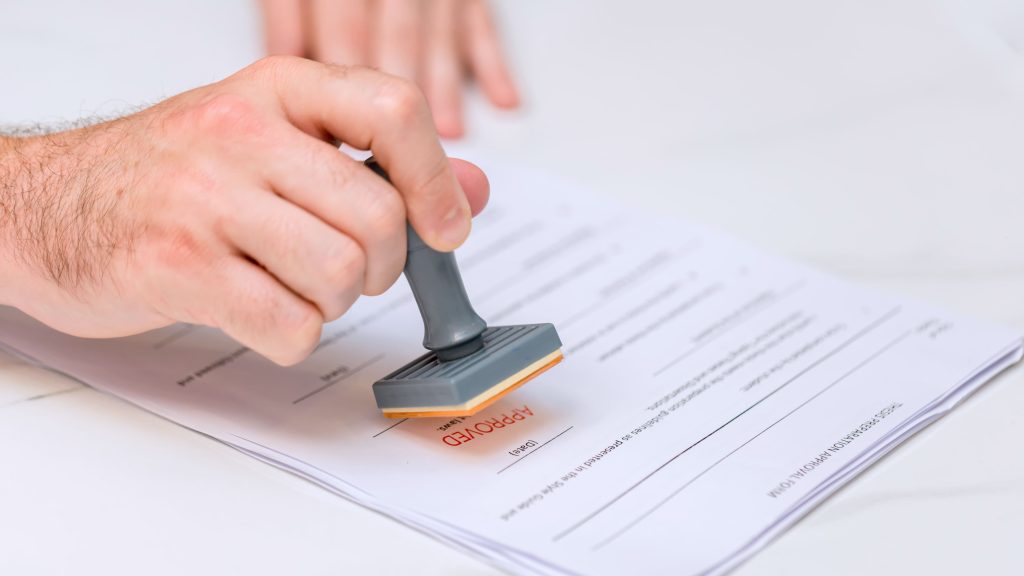
Before handover, developers must obtain necessary approvals and completion certificates from relevant authorities. A real estate lawyer verifies that the project complies with building codes, zoning laws, and safety regulations. This ensures that the property is legally habitable and eligible for registration. Missing or incomplete approvals can delay ownership transfer or create legal issues during resale.
Handling Delayed or Partial Handovers
In many cases, developers attempt partial handovers while amenities, parking, or infrastructure remain incomplete. A lawyer reviews the contract to determine whether the developer has met all delivery obligations. If delays occur, they advise buyers on compensation rights, penalties, or legal remedies. This prevents buyers from accepting incomplete properties without appropriate legal safeguards.
Ensuring Proper Title Registration
Title deed issuance is a critical step following handover. A real estate lawyer ensures that ownership is registered correctly and that no unresolved encumbrances exist. They confirm that service charges, developer fees, and final payments are accounted for before registration. This protects buyers from future ownership disputes or administrative complications.
Protecting Buyers After Handover
Legal protection does not end once the keys are handed over. Many contracts include post-handover obligations, such as maintenance guarantees and defect liability periods. A real estate lawyer assists buyers in enforcing these rights if problems arise months after occupancy. This ongoing legal support is especially important for investors who may not immediately occupy the property.
Avoiding Costly Future Disputes
Most post-purchase disputes arise because buyers accepted handover without proper legal checks. A lawyer ensures clarity, documentation, and accountability—preventing future conflicts related to defects, delayed amenities, or misrepresented specifications. This proactive approach saves buyers time, money, and stress.
Conclusion
Property handover is a legal milestone that demands careful scrutiny, not rushed decisions. By reviewing documents, enforcing defect obligations, and ensuring compliance, a real estate lawyer Dubai safeguards buyers’ rights and ensures that ownership begins on solid legal ground—free from hidden risks and unresolved liabilities.